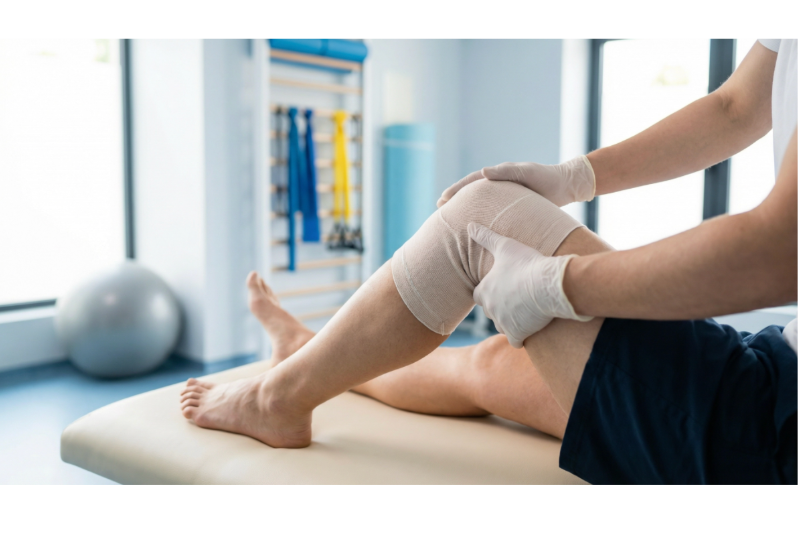
Mr Paul Pavlou, a specialist knee surgeon in Bournemouth, understands that for patients considering knee arthroscopy, one of the most pressing questions is about the recovery time. Knowing what to expect after surgery is crucial for planning and for a successful outcome.
This article provides a comprehensive overview of the typical knee arthroscopy recovery timeline, from the initial days post-surgery to a full return to daily activities.
Knee arthroscopy is a minimally invasive procedure that allows Mr Pavlou to diagnose and treat various knee conditions with precision.
While the keyhole approach generally leads to a quicker recovery compared to traditional open surgery, the healing process is still a phased journey that requires patience and commitment. The specific duration of recovery can vary, but a clear understanding of the general timeline helps set realistic expectations.
The Initial Recovery Period: The First Two Weeks
The first two weeks after a knee arthroscopy are focused on managing pain and swelling and protecting the knee as it begins to heal. Immediately following the procedure, patients will spend a short time in a recovery room before being discharged on the same day.
It is common to experience some pain, swelling, and stiffness in the knee. Mr Pavlou advises patients to follow the R.I.C.E. principle: Rest, Ice, Compression, and Elevation. Using crutches is often necessary to keep weight off the operated leg, particularly in the first few days.
During this initial phase, wound care is simple but important. The small incisions are typically covered with dressings that should be kept clean and dry. Gentle exercises, such as ankle pumps and straight leg raises, are encouraged from day one to maintain blood flow and prevent stiffness. A follow-up appointment is usually scheduled within this period to check the wounds and assess early progress.
The Rehabilitation Phase: 2 to 6 Weeks Post-Surgery
As the initial pain and swelling subside, the focus of the knee arthroscopy recovery time shifts towards active rehabilitation. This phase, typically lasting from week two to week six, is critical for restoring the knee’s function.
Physiotherapy plays a central role during this period. A specialist physiotherapist will guide the patient through a structured programme of exercises designed to regain range of motion, improve flexibility, and gradually rebuild strength in the quadriceps and surrounding muscles.
Depending on the specific procedure performed and Mr Pavlou’s guidance, patients may begin to wean off crutches and bear more weight on their leg.
The goal is to progress from gentle mobilisation to more functional exercises that mimic daily movements. Adherence to the prescribed physiotherapy plan is paramount, as doing too much too soon can hinder the healing process, while doing too little can lead to stiffness and muscle weakness.
Returning to Normal Activities: 6 Weeks and Beyond
By the six-week mark, many patients who have had a straightforward knee arthroscopy will be feeling significantly better and can start resuming most of their normal, low-impact activities. The ability to return to work depends heavily on the nature of the job.
Individuals with sedentary or desk-based jobs may be able to return within one to two weeks, whereas those in physically demanding roles that require prolonged standing or heavy lifting may need six to eight weeks, or sometimes longer.
Driving is another key milestone. Patients can typically resume driving once they are no longer taking strong pain medication, can comfortably bear weight on their leg, and have sufficient control to perform an emergency stop.
This is often possible between two and four weeks post-surgery. A return to sports and more strenuous activities takes longer and requires careful consideration. Low-impact sports like swimming or cycling may be introduced earlier, while high-impact sports such as running or football usually require several months of rehabilitation to ensure the knee is strong and stable enough to handle the demands.
Factors That Influence Knee Arthroscopy Recovery Time
It is important to recognise that the knee arthroscopy recovery time is not the same for everyone. Several factors can influence the speed and success of the healing process. The most significant factor is the type of surgery performed.
A simple diagnostic arthroscopy or a partial meniscectomy (trimming a torn meniscus) generally has a quicker recovery than a more complex procedure like a meniscal repair or an ACL reconstruction, which requires a longer period for the repaired tissues to heal and strengthen.
The patient’s age, general health, and pre-operative fitness level also play a crucial role. Younger, healthier individuals often recover more quickly. Furthermore, the success of the recovery is heavily dependent on the patient’s commitment to their post-operative rehabilitation plan.
Diligently following the advice of Mr Pavlou and the physiotherapy team is the best way to ensure a smooth and efficient return to full function.
In summary, the recovery from knee arthroscopy is a structured process that progresses through distinct phases.
While a general timeline can be provided, the journey is highly individualised. Mr Paul Pavlou and his team in Bournemouth are committed to providing a personalised recovery plan for every patient. If you are experiencing knee problems and wish to understand if knee arthroscopy is the right option for you, a consultation with Mr Pavlou can provide a detailed assessment and a clear, personalised treatment and recovery plan.
Frequently Asked Questions about Knee Arthroscopy Recovery Time
1. How soon can you walk after knee arthroscopy?
Most patients can walk with the assistance of crutches on the day of surgery. Depending on the procedure, weight-bearing may be limited for a period. Mr Pavlou will provide specific instructions based on the surgery performed.
2. Is swelling normal 4 weeks after knee arthroscopy?
Yes, it is normal to have some residual swelling in the knee for several weeks after the procedure. Consistent use of ice and elevation can help manage this. If swelling is excessive or worsening, it is important to seek medical advice.
3. When can I drive after a knee arthroscopy?
Typically, patients can drive once they are off strong painkillers and can confidently perform an emergency stop. For many, this is between 2 to 4 weeks, but it must be discussed with the surgical team.
4. How much time off work is needed for a knee arthroscopy?
This depends on your job. For desk-based work, 1-2 weeks may be sufficient. For manual labour or jobs requiring prolonged standing, it could be 6-8 weeks or more. A personalised sick note can be provided.
5. What can be done to speed up the knee arthroscopy recovery time?
The best way to ensure a good recovery is to diligently follow the post-operative instructions, especially the prescribed physiotherapy exercises. Maintaining a healthy diet and avoiding smoking can also support the healing process.
References
[3] UK HealthCare. (n.d. ). Knee Arthroscopy Post-operative Instructions. Retrieved from
[4] Spire Knee Clinic. (n.d. ). Recovery Timeline After Knee Arthroscopy. Retrieved from
[6] My Health Alberta. (n.d. ). Knee Arthroscopy: What to Expect at Home. Retrieved from
[7] Access Sports Med. (n.d. ). Arthroscopic Knee Surgery/Meniscectomy Recovery. Retrieved from