Revision Knee Replacement in Bournemouth
Mr Paul Pavlou is a specialist knee surgeon providing expert assessment and treatment for patients in Bournemouth and the surrounding areas. With extensive experience in all aspects of knee surgery, Mr Pavlou offers comprehensive care for individuals experiencing problems with a previous knee replacement.
If you are struggling with pain, instability, or stiffness in a replaced knee, a Revision Knee Replacement may be the solution to restore function and improve your quality of life. Mr Pavlou is dedicated to delivering a clear diagnosis and personalised treatment plan, ensuring patients are fully informed and supported throughout their journey.
What is a Revision Knee Replacement?
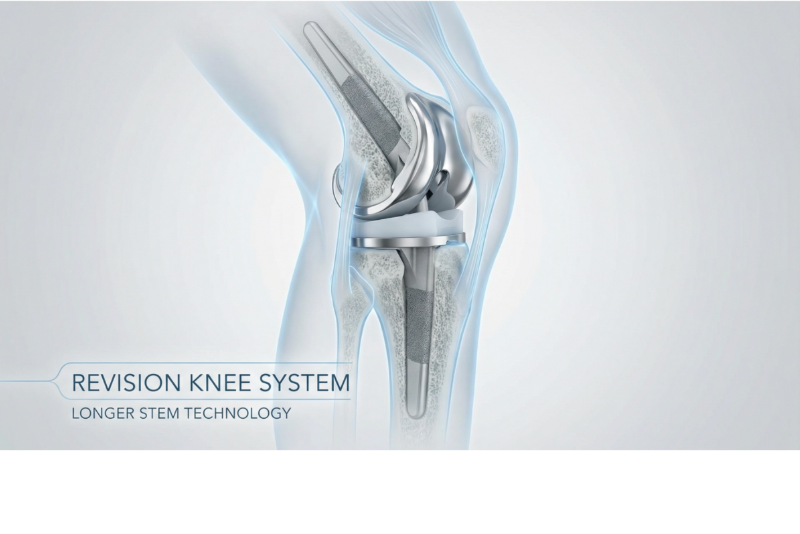
A revision knee replacement is a surgical procedure to replace a failing knee replacement implant. While primary knee replacements are highly successful, they can wear out or fail over time. This second operation involves the removal of some or all of the original components, which are then replaced with new, specialised implants.
The complexity of the surgery can vary significantly, from a simple exchange of a plastic liner to a major procedure involving the reconstruction of lost bone. As a dedicated knee specialist, Mr Pavlou uses advanced techniques and implants designed for the unique challenges of revision surgery to achieve the best possible outcome.
When is Revision Knee Replacement Recommended?
Deciding to proceed with a revision knee replacement is a significant step, and it is usually recommended only after a thorough evaluation. If you have a previous knee replacement and are experiencing persistent symptoms, it is important to seek expert medical advice. Mr Pavlou will conduct a detailed assessment, which may include X-rays and other imaging, to determine the cause of your symptoms.
Common signs that may indicate the need for a revision include:
- Persistent Pain: While some discomfort can be expected after any surgery, ongoing or worsening pain is the most common reason for considering a revision.
- Instability: A feeling that the knee is giving way, is not secure when walking, or cannot be trusted during daily activities.
- Stiffness: A significant loss of motion that limits your ability to bend or straighten the knee, affecting activities like walking or climbing stairs.
- Swelling or Deformity: Noticeable swelling around the knee or a change in the alignment of the leg.
Common Reasons for Knee Replacement Failure
Several factors can cause a primary knee replacement to fail. Identifying the precise cause is crucial for planning a successful revision. Mr Pavlou, a leading knee surgeon in Bournemouth, has extensive experience in diagnosing and treating these complex issues.
- Aseptic Loosening: The bond between the implant and the bone can weaken over time, causing the components to become loose. This is one of the most frequent causes of failure and often presents as pain.
- Infection: Bacteria can enter the joint, leading to a painful infection. This can happen shortly after the initial surgery or even years later. Treatment often involves a staged procedure to eradicate the infection before implanting a new prosthesis.
- Wear and Tear: The plastic (polyethylene) spacer between the metal components can wear down over time, similar to how a car tyre wears out. This can lead to instability and pain.
- Instability: The soft tissues and ligaments around the knee, which stabilise the joint, may stretch or become damaged, causing the knee to feel unstable.
- Fracture: A fall or injury can cause the bone around the implant to break (a periprosthetic fracture), which often requires revision surgery to fix.
- Osteolysis: This refers to bone loss that can occur due to the body’s reaction to tiny particles shed from the implant, which can weaken the bone and cause the implant to loosen.
The Revision Knee Replacement Procedure: What to Expect
Revision knee surgery is a more complex and lengthy procedure than a primary knee replacement. It requires meticulous planning and the use of specialised tools and implants. Mr Pavlou will discuss the specifics of your procedure in detail, ensuring you have a clear understanding of the process. The surgery involves carefully removing the old implant while preserving as much healthy bone as possible. In cases where there has been significant bone loss, metal augments or bone grafts may be used to rebuild the joint before the new revision components are secured.
Recovery and Rehabilitation After Revision Knee Surgery
Recovery after a revision knee replacement is typically longer and more demanding than after a primary procedure. A dedicated rehabilitation programme is essential for a successful outcome. You will begin working with a physical therapist soon after the operation to start moving your new knee and rebuilding strength. Most patients will use a walker or crutches for several weeks. Mr Pavlou and his team will provide a structured recovery plan to guide you through the process, with the goal of returning you to your daily activities with reduced pain and improved function.
Your Next Step
If you are experiencing problems with a previous knee replacement, a specialist assessment is the first step towards finding a solution. Mr Pavlou offers expert guidance on the management of painful or failing knee replacements in the Bournemouth area. To understand your options, we recommend scheduling a consultation to discuss your individual circumstances.
This article is for general information only and does not constitute medical advice. Treatment outcomes can vary, and a full consultation with a qualified specialist is required to determine the most appropriate course of action for your individual circumstances.
While outcomes vary, modern revision implants are designed for long-term durability. The longevity of the implant depends on factors like your activity level, weight, and overall health. Mr Pavlou can provide a more personalised expectation based on your specific situation.
Recovery from a revision can be more challenging, and you may experience more discomfort initially. However, your pain will be carefully managed with medication, and the ultimate goal of the surgery is to alleviate the chronic pain caused by the failing implant.
As a more complex procedure, revision surgery has slightly higher risks than a primary replacement. These include infection, blood clots, stiffness, and potential damage to nerves or blood vessels. Mr Pavlou will discuss these risks with you in detail before you decide to proceed.
Most patients stay in the hospital for a few days after a revision knee replacement. The exact length of your stay will depend on the complexity of your surgery and your individual recovery progress.
Returning to daily activities can take several months. Driving is often possible after 6-8 weeks, but more strenuous activities will take longer. Your physical therapist and Mr Pavlou will guide you on when it is safe to resume specific activities.